Fermented vs. Lavado Cacao: What’s the Difference?
Mexico is widely known not only as a producer and exporter of cacao, but also as an important consumer. Within the country, a significant portion of the harvest never leaves the producing regions. Farmers often keep part of the cacao for personal consumption or local markets, preserving traditional processing methods that have been practiced for generations.
One of the most distinctive traditions in Mexico is the production of cacao lavado, or washed cacao. But how does it differ from fermented cacao? And which one is better?
The Tradition of Cacao Lavado
In many cacao-growing regions of Mexico, particularly in Tabasco, the traditional process begins by harvesting the cacao pods and opening them to extract the beans. The beans are then left to rest for approximately 24 hours before being washed several times — typically two to four rinses — to remove the pulp surrounding them.
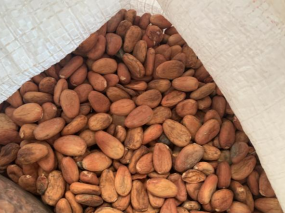
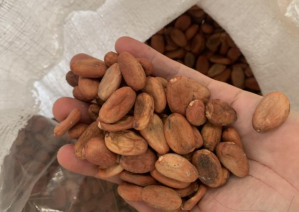
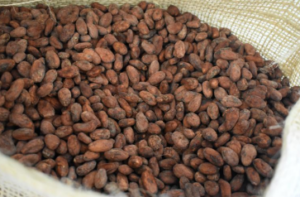
After washing, the beans are placed in the sun to dry naturally. This process results in cacao beans with a distinctive brick-like red or yellowish color, known locally as cacao lavado.
Flavor-wise, washed cacao tends to produce a shorter finish on the palate, with slightly more astringent and bitter notes compared to fermented cacao. However, one advantage of the lavado process is that the beans often retain higher levels of polyphenols, natural compounds associated with antioxidant properties.
For centuries, cacao lavado has been the traditional way cacao was consumed in Tabasco and other parts of southern Mexico.
Cultural Uses of Lavado Cacao
In Mexico, washed cacao is widely used for traditional beverages rather than chocolate bars. It is commonly prepared in drinks such as:
Drinking chocolate
Pozol
Polvillo
These beverages are typically mixed with ingredients like sugar, corn, and spices, and the naturally bitter profile of lavado cacao complements these preparations very well.
Another interesting difference is in the roasting process. Lavado cacao generally requires longer roasting times — around 30% more time — compared to fermented cacao.
The Fermentation Process
Fermented cacao undergoes a much more complex transformation. Instead of washing the beans, they are placed in fermentation boxes or piles where natural microorganisms begin to break down the sugars in the pulp.
This process typically takes between five and seven days, depending on the bean variety and environmental conditions.
For example, purple cacao beans often require a longer fermentation period. The fermentation process helps break down tannins, reducing astringency while allowing flavor compounds to develop.
During fermentation, yeasts and bacteria naturally present in the environment begin to interact with the beans. These microorganisms originate not only from the cacao itself but also from the surrounding environment, fermentation boxes, and tools used by farmers.
Because microbial communities vary from region to region, cacao fermentation produces unique flavor profiles. Even within Mexico, cacao from Chiapas may develop different aromatic characteristics than cacao from Tabasco.
As a result, fermented cacao can develop complex flavor notes such as:
Tropical fruits
Floral aromas
Spices
Honey-like sweetness
These characteristics contribute to the richness and complexity found in many fine chocolates.
Beneficiado Cacao: A Middle Ground
Between lavado and fully fermented cacao, there is another category known as beneficiado cacao.
This cacao undergoes partial fermentation, typically lasting two to three days. Because of this shorter fermentation time, the beans share some characteristics of both processes.
Beneficiado cacao may retain part of the freshness and polyphenol content of lavado cacao while also beginning to develop some of the aromatic complexity associated with fermented cacao.
Which One Is Better?
There is no single answer to this question. Both lavado and fermented cacao offer unique characteristics that can lead to very different flavor profiles and products.
Lavado cacao is deeply connected to Mexican tradition and works exceptionally well for beverages and certain culinary applications. Fermented cacao, on the other hand, allows for greater flavor complexity and is often preferred in craft chocolate production.
Ultimately, the best choice depends on the type of chocolate or cacao product you wish to create.
Each process reflects a different cultural tradition and approach to cacao — and both play an important role in the diversity of cacao flavors found across Mexico