Ceremonial Cacao: A Sacred Tradition Rooted in the Earth
For many people, cacao is simply associated with chocolate or sweets. For us, however, cacao is much more than that — it is a medicine. A natural medicine that is prepared and shared with deep respect for the ancient cultures that have cultivated and honored this plant for generations.
Although much of the historical record of ancient Mesoamerican civilizations was lost during the Spanish conquest, we know that cacao held an important place in the lives of the Olmec, Zapotec, Maya, and Aztec peoples. In the Mayan Popol Vuh, often referred to as the “Book of Counsel,” cacao is mentioned as part of the cultural and spiritual traditions of the K’iche’ Maya. Archaeological engravings and artifacts also show cacao being offered in sacred rituals.
Cacao was an incredibly versatile and valuable resource. It was used as currency, offered during religious ceremonies, and consumed as a beverage during important gatherings.
The Aztecs learned about cacao from the Maya and called the drink “Xocolatl.” This preparation was traditionally a bitter beverage made from cacao beans and was often reserved for the emperor, warriors, and nobility. Even today, cacao continues to be an essential part of many Mayan communities, where it is consumed daily and shared during social and ceremonial occasions.
During a cacao ceremony, participants often begin to feel the effects of cacao approximately 30 to 45 minutes after drinking it. Cacao naturally stimulates blood circulation, increasing oxygen flow throughout the body and to the brain. This can bring a sense of mental clarity, presence, and emotional openness.
Many people report feeling a stronger connection to their heart and emotions. The experience can encourage deeper listening, reflection, and awareness.
Cacao also offers several natural health benefits. It contains important minerals such as potassium, phosphorus, copper, iron, zinc, and magnesium, all of which support cardiovascular health. Additionally, cacao can help stimulate the release of dopamine and endorphins, chemicals in the brain associated with feelings of happiness and well-being. These properties may help relieve stress and support emotional balance.
In recent years, cacao ceremonies have become increasingly popular as a way for people to reconnect — not only with each other but also with themselves. There is something deeply powerful in the simplicity of gathering together as a community, sharing cacao, and creating a space for intention, reflection, and inner healing.
These ceremonies often take place in environments that allow participants to step away from their everyday routines. By doing so, individuals can open themselves to new insights, perspectives, and emotional experiences.
A cacao ceremony can also create a safe and open-hearted space where people connect on a deeper level. Sharing cacao together often brings participants into a similar energetic state, fostering meaningful connections with oneself and with others.
For many, cacao ceremonies are also a reminder that we are not separate from nature but deeply connected to it.
Traditionally, ceremonial-grade cacao comes from agroforestry environments where cacao trees grow alongside other plants in a balanced ecosystem. In these systems, cacao beans carry not only the flavors of the land but also the energy of the community and the surrounding environment.
For this reason, cacao produced through exploitative labor practices or grown in monoculture systems that damage soil health should be avoided.
Respecting the land, the farmers, and the traditions behind cacao ensures that this sacred plant continues to nourish both people and ecosystems for generations to come.
Products Related to Cacao Ceremonies
Our ceremonial cacao products are crafted with respect for tradition and quality.
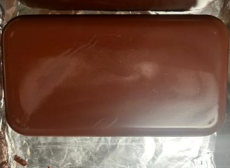
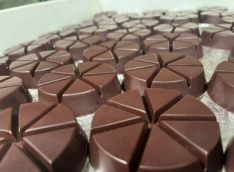
Cacao paste (100% pure or with sugar)
Available in the following presentations:
90 g bars
1 kg blocks
4 kg blocks
These formats are ideal for personal ceremonies, group gatherings, or culinary preparations that honor the authentic spirit of cacao.